
Category: Articles
AI in Talent Acquisition: Everything You Need to Know
TABLE OF CONTENT :
Hiring the right candidate has never been easy. Companies everywhere are competing to find good talent, but old hiring methods take too much time.
This is where Artificial Intelligence (AI) is starting to help.
Many companies are already using AI in talent acquisition. In fact, more than 65% of recruiters now use AI tools to make hiring quicker and smoother.
In this blog, we’ll explain everything about artificial intelligence in talent acquisition - what it is, how it works, the benefits, challenges, and the future trends.
What is Artificial Intelligence (AI)?
Artificial Intelligence, or AI, is a part of computer science that lets machines do tasks that usually need human thinking. These tasks include understanding language, solving problems, finding patterns, making decisions, and learning from experience. In simple words, AI helps computers “think” and act like humans- but often faster and more accurately.
There are different types of AI:
- Narrow AI: Works on specific tasks, like Siri, Alexa, or movie suggestions on Netflix.
- General AI: A future idea where machines could do any task a human can do.
- Machine Learning (ML): A part of AI where machines get better over time by learning from data.
AI is already part of our everyday life. Your email spam filter, shopping recommendations, voice assistants, and GPS all use AI to make decisions quickly.
In recruitment, AI can look through thousands of resumes in seconds, rank candidates based on skills and experience, and even predict which candidates may do well in a job.
Studies show that companies using AI in hiring can decrease hiring time by up to 50% and improve the chances of finding a qualified candidate by 30-40%. This is why AI is becoming an important tool in talent acquisition
AI vs Machine Learning: What’s the Difference?
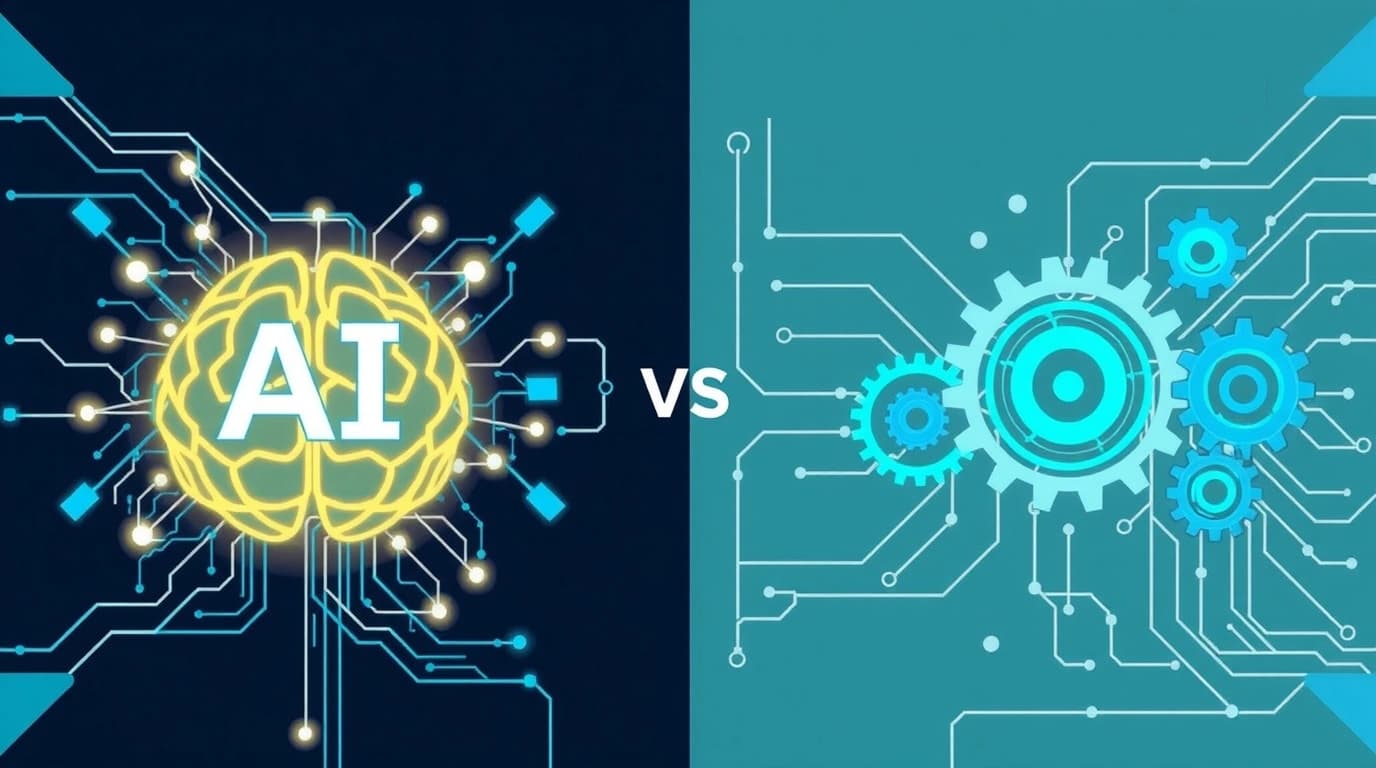
Artificial Intelligence (AI) is the broad idea. It means machines or software can do tasks that usually need human intelligence, like solving problems, making decisions, understanding language, spotting patterns, or predicting outcomes. AI is the overall technology that helps automate tasks humans used to do.
Machine Learning (ML) is a part of AI. It focuses on algorithms that let machines learn from data and get better over time without being told exactly what to do. For example, a machine learning tool in recruitment can look at thousands of resumes, see which candidates did well in previous jobs, and then predict which new applicants might succeed. The more data it gets, the smarter it becomes.
How it’s used in recruitment:
- Resume screening: ML can rank candidates by skills and experience.
- Predictive hiring: AI can guess which candidates will perform well or stay longer.
- Interview analysis: ML can review video interviews to see communication skills and confidence.
In short, AI gives the intelligence to automate tasks, and ML is the learning engine that keeps improving results.
What is AI in Recruiting & Talent Acquisition?
AI in recruiting and talent acquisition means using smart computer programs to help with hiring. Instead of doing everything manually, recruiters can use AI to make faster and smarter decisions. AI can also help reduce mistakes and bias in the hiring process.
For example, AI can read thousands of resumes in minutes, find the best candidates, and even guess which ones are most likely to do well in a job. It can also operate chatbots to answer candidates’ questions, set up interviews automatically, and even review video interviews using special tools. This way, Human Resources teams can spend more time connecting with candidates and making good hiring choices instead of doing repetitive work.
The Talent Acquisition Trends 2025
In 2025, AI’s role in hiring will keep growing because of new technology and changes in the workforce.
- Widespread Adoption: As of 2025, 87% of companies use AI tools in their recruitment process. This is a big increase compared to previous years.
- Market Growth: The global AI recruitment market is expected to grow from $660.17 million in 2025 to $1,125.84 million by 2033, at a growth rate of 7.2% per year.
- Efficiency Gains: 98% of hiring managers say AI has made hiring faster, especially in tasks like scheduling interviews, screening resumes, and checking skills.
- Human-AI Collaboration: Even with AI, 93% of hiring managers believe human involvement is still very important, showing that AI works best as a helper, not a replacement.
- Candidate Engagement: AI chatbots and virtual assistants now handle questions from candidates, schedule interviews, and give updates, which makes the hiring process smoother.
- Advanced AI Agents: New AI tools can manage many steps in hiring, like screening resumes, matching candidates to jobs, and setting up interviews, so HR staff can focus on bigger decisions.
- Skills-Based Hiring: AI tools now focus more on checking candidates’ skills and abilities rather than just their degrees, leading to better matches and higher-quality hires.
- Ethical Considerations: Companies are working to reduce bias, protect data, and follow rules so AI systems are fair and trustworthy.
What are the Benefits of AI In Recruitment?
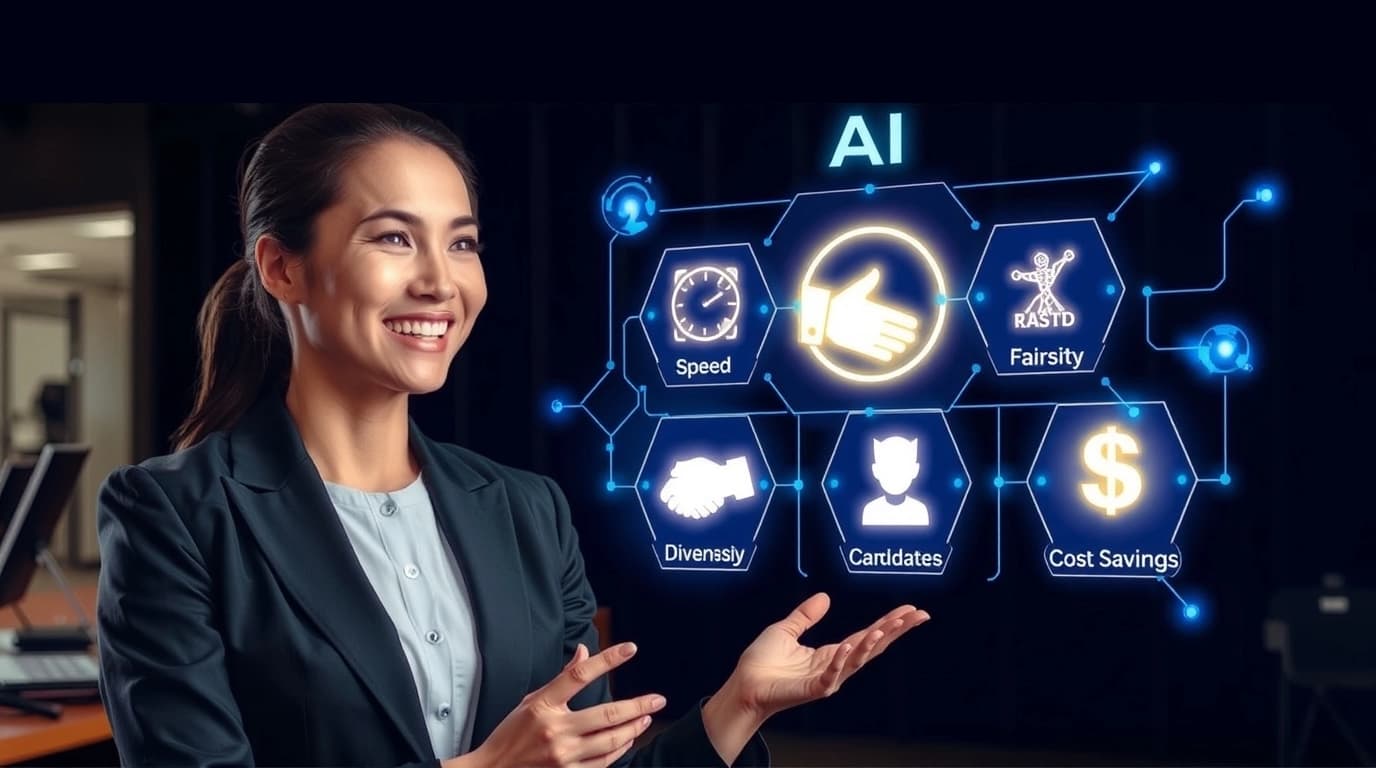
Instead of spending weeks on repeated work, recruiters can now use an AI recruiting tool to handle the heavy tasks. Below are the main advantages of using AI in talent acquisition.
Faster Hiring Process
A LinkedIn report shows that it usually takes 30 to 45 days for many companies to fill a role. With AI hiring tools, this time can drop a lot. Resume-screening software can check thousands of applications in minutes, and smart matching systems can quickly rank the best candidates. According to SHRM, companies using AI shorten hiring time by up to 40%, which gives them a big advantage in finding talent before competitors do.
Improved Candidate Experience
Job seekers today don’t like waiting. A survey from CareerBuilder found that 58% of candidates lose interest in a job if they don’t get updates quickly. AI chatbots and automated emails can keep candidates informed 24/7, answer their questions, and even help schedule interviews. This creates a smooth, positive experience, making it more likely that top talent will accept an offer.
Reduced Bias in Hiring
Bias in hiring is a common problem. AI helps by focusing only on facts like skills, experience, and qualifications. Some AI tools even hide details like age, gender, or names during early screening. According to Harvard Business Review, firms that use artificial intelligence recruitment software increased diversity in their candidate pool by up to 20%.
Cost Savings for Companies
The U.S. Department of Labor says a bad hire can cost an enterprise up to 30% of the employee’s first-year salary. AI lowers this risk by matching candidates more accurately and removing unqualified ones early in the process. A Deloitte study found that companies using AI for talent acquisition saved up to 35% on recruitment costs by hiring faster and spending less on outside agencies.
Better Quality of Hires
Analyzing historical data such as job performance and turnover records, recruitment analytics software AI can predict which candidates are more likely to fit the company. For example, Unilever uses AI-powered video interviews to check soft skills and cultural fit, and they saw a 16% improvement in new-hire performance after using these assessments.
Data-Driven Decisions
AI tools in talent acquisition can add real data to the process. Tools with predictive analytics can study market trends, candidate data, and past hires to suggest the best strategies. For instance, IBM’s Watson Recruitment looks at labor market data to show which skills are in demand. This helps recruiters make better, evidence-based decisions instead of guessing.
24/7 Recruitment Capability
AI systems don’t work only during office hours; they’re available all the time. Chatbots can talk to applicants, answer questions, and even do pre-screening tests anytime, even at night or on weekends. A Talent Board survey found that candidates are 2.5 times more likely to stay interested when they get quick responses. For companies hiring across different time zones, this 24/7 support is very helpful.
Scalable for High-Volume Hiring
Hiring many people at once is tough for HR teams. AI agents in talent acquisition make the process much easier. For example, Amazon uses AI to process hundreds of thousands of applications for seasonal jobs quickly and fairly. PwC reported that companies using AI for bulk hiring made recruiters 50% more productive, while still keeping quality high.
Best AI Recruiting Tools in 2025
Here are some of the best AI recruiting software and how they help:
Resume Screening Platforms
- HireVue: Looks at resumes and video interviews to check skills, experience, and personal traits. Companies see up to 50% faster hiring and better-quality hires.
- Pymetrics: Uses games and AI to understand candidate potential, helping companies find the best performers beyond resumes.
- TechForing Talent: Uses AI to match candidates to jobs based on skills, experience, and company culture, reducing wrong hires and improving retention.
AI-Powered Chatbots
- Mya: Talks to candidates 24/7, answers questions, schedules interviews, and gives updates. Users report 60% higher candidate engagement.
- Olivia: Works with HR software to automate messages, keeping candidates informed and improving their experience.
- XOR.ai: Can chat in multiple languages, is good for global hiring, and automatically schedules interviews and reminders.
Predictive Analytics Platforms
- Eightfold.ai: Uses past hiring data and AI to predict candidate success, helping reduce turnover by up to 20%.
- Phenom People: Gives insights on workforce planning and helps spot high-potential candidates early.
- Hiretual: Finds passive candidates online and predicts who will be a good fit for jobs.
AI Video & Skill Assessment Platforms
- Modern Hire: Checks communication, problem-solving, and behavior through AI video interviews, making selection fairer.
- Codility & CodinGame: For tech hiring, they test coding and problem-solving skills to find top technical talent quickly.
Talent Sourcing & Engagement Tools
- SeekOut: Finds candidates from many channels, including hard-to-reach talent pools.
- Hiretual: Combines sourcing and AI predictions to discover candidates likely to accept job offers.
These artificial intelligence hiring tools not only save recruiters time but also make hiring more accurate, improve candidate experience, and increase retention.
Practical Use Cases of AI in Talent Acquisition
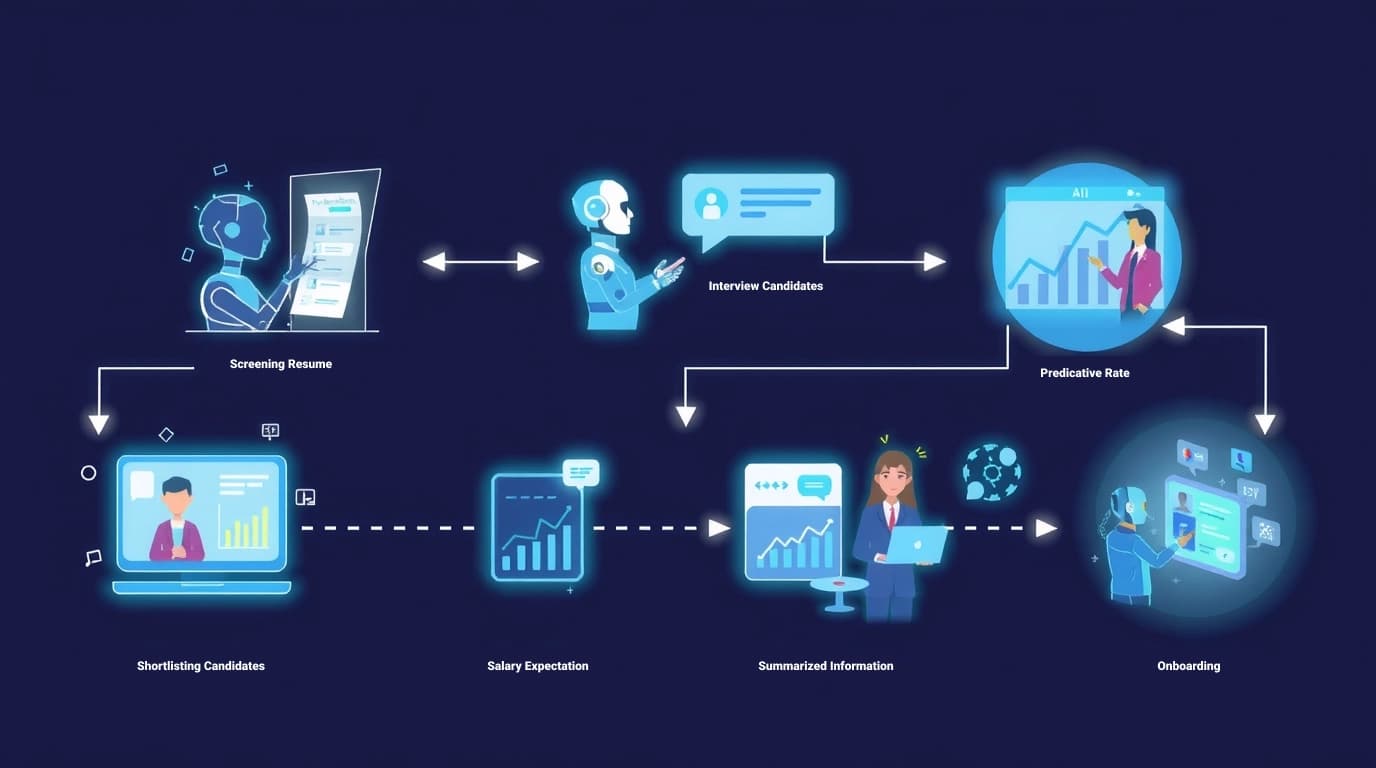
Hiring the right people is getting more competitive, and companies are using AI to make the process quicker. Here is how to use AI in hiring -
How to Use AI for Candidate Attraction and Sourcing
Finding and reaching the right candidates takes a lot of time. AI can automate many of these tasks, so recruiters can focus on more important work.
Building Candidate Personas
AI can study employee profiles and past hiring data to find patterns in the people who do well in a role. These patterns help create candidate personas- imaginary profiles of ideal hires that include skills, traits, interests, and goals. For example, for a software engineer role, AI might show that candidates with experience in open-source projects and strong problem-solving skills perform best. Candidate personas guide recruiters on where to find candidates and how to talk to them in ways that appeal.
Writing Job Descriptions
Generative AI tools like Gemini, ChatGPT, or Bing Chat can quickly create job descriptions based on required skills, responsibilities, and company tone. AI can also check for biased language, making job ads more inclusive. Research shows that using gender-neutral language in job postings can bring 42% more applications.
Skills Matching
Talent intelligence software tools can search millions of online profiles to find candidates with the right skills, even if they aren’t actively looking for a job. Some platforms can also estimate how likely candidates are to accept a new role. By focusing on skills rather than just past job titles, AI helps recruiters find more qualified candidates quickly.
Predictive Analytics
Artificial intelligence recruitment AI can predict things like a candidate’s interest in a job, how likely they are to accept an offer, and how long they might stay. Recruiters can use these predictions to reach out in a more personal way and prepare better for interviews. Over time, AI learns from previous data, making its predictions more accurate and helping recruiters make better decisions.
How to Use AI for Candidate Screening & Interview Support
Manually reviewing resumes can be slow and biased. AI-based recruitment software helps ensure the best candidates are not missed.
First Sift
Artificial intelligence recruiting tools can quickly read thousands of resumes, scoring and ranking candidates based on skills and experience. Dashboards show the top matches, so recruiters can focus on the best-fit candidates first.
Real-Time Screening
Chatbots can ask candidates pre-set questions in a conversational way to check qualifications and interest. Based on answers, AI can automatically move candidates to the next stage or flag them for review.
Skills Assessments
AI talent acquisition software can run pre-employment tests to check skills, cognitive abilities, and personality traits to ensure only qualified candidates move forward, reducing bias and helping recruiters focus on the best talent.
How to Use AI for Candidate Engagement
Keeping candidates engaged is key to hiring success. AI makes it easier to communicate with many candidates at once.
Personalized Communications
AI-powered CRMs can send updates and relevant content automatically throughout the hiring process. Recruiters can also use AI to draft personal emails, saving hours while still keeping a human touch.
Chatbots
AI chatbots answer questions about applications, interviews, or the company instantly, even when recruiters aren’t available. This improves candidate experience and frees recruiters to focus on important work.
Self-Scheduling Tools
AI scheduling tools manage interviews and assessments automatically, showing only available time slots and sending confirmations and reminders. This reduces missed interviews and saves recruiters’ time.
How to Implement AI in Recruitment: Best Practices
Companies that use AI hr software carefully can shorten time-to-hire by up to 50% and hire better candidates by 35%. Here’s how to do it right:
1. Start with a Pilot Project
Begin by using AI in one part of your hiring process, like screening resumes for many applicants or chatbots that answer candidate questions. This helps your HR team see how well it works before using it for all hiring. For example, Unilever used AI video interviews for entry-level jobs, which cut screening time by 75% and still found good candidates.
2. Choose Tools that Fit Your Needs
AI talent acquisition can help with many tasks - finding candidates, reading resumes, scheduling interviews, or predicting who will do well in a job. Focus on areas where your hiring is slow or has mistakes. Tools like TechForing Talent can help. Make sure the tools work with your ATS (Applicant Tracking System) and give clear results.
3. Train Your HR Team
AI works best when people know how to use it. Train recruiters to read AI suggestions, notice mistakes, and make final human decisions. This keeps AI from making unfair choices. For example, AI candidate screening may rank resumes by keywords, but recruiters still check cultural fit and soft skills.
4. Keep Data Safe and Follow Rules
AI uses personal data, so follow rules like GDPR, CCPA, and local laws. Keep candidate data safe and explain clearly how it is used. This builds trust and makes candidates feel safe.
5. Watch and Improve AI Regularly
AI isn’t something you set once and forget. Track time-to-hire, cost-per-hire, candidate happiness, and quality of hires. Check AI for mistakes or bias. Companies that do this can improve results, reduce bias, and stay fair.
6. Combine AI with Human Judgment
AI should help, not replace, human recruiters. Artificial intelligence is great at repetitive tasks, but humans are needed for building relationships, negotiations, and judging cultural fit. The best results come out when AI and humans work together.
Challenges of AI in Talent Acquisition
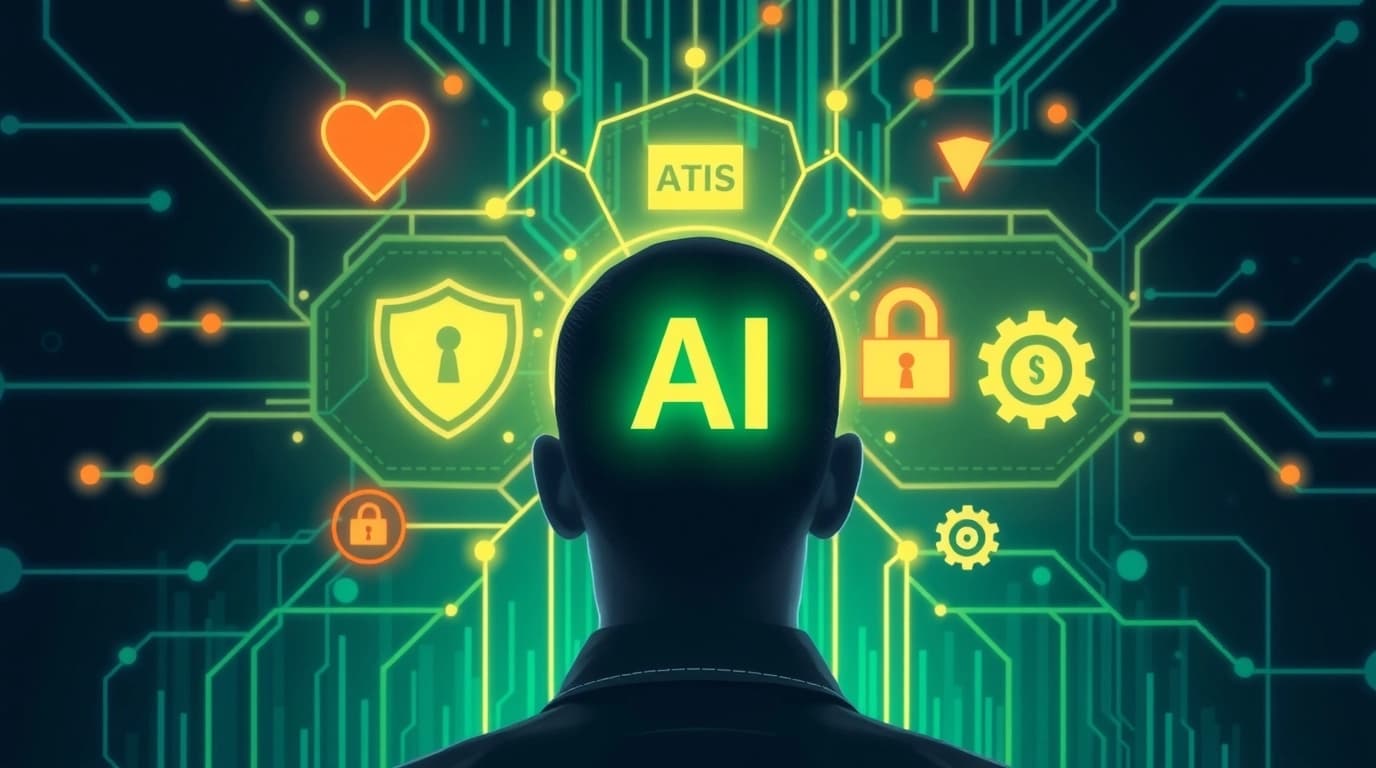
AI is useful in hiring, but it also brings some challenges. That’s why regular checks and human input are important to make AI work well in talent acquisition.
Bias in AI Models
Many people think AI removes bias, but that’s not always true. AI learns from past data, and if that data has bias, the AI will repeat it. For example, if a company mostly hired people from certain schools or backgrounds in the past, the AI may continue giving those candidates higher priority. This can hurt diversity and stop good candidates from being noticed. To avoid this, recruiters need to check AI results regularly and make sure the system is fair. AI should support diversity, not block it.
Lack of Transparency
AI tools can sometimes feel like a mystery. Recruiters don’t always know how the system decides who is a good match and who is not. This makes it hard to explain why a candidate was accepted or rejected. For candidates, this can feel unfair and confusing. The best way to fix this is to use tools that clearly show why they made a decision. When AI is transparent, both recruiters and candidates feel more confident in the process.
Sourcing Data
AI depends on good data to work well. If the data is old, missing, or poorly written, the results will not be accurate. For example, if resumes are not clear or job descriptions are too short, the system may not match people correctly. To make AI useful, companies need to collect and organize quality data. Keeping this data updated helps the system give better results. Without good data, even the best AI tool will not perform properly.
Over-Reliance on Automation
AI can speed up hiring, but depending too much on it can cause problems. If companies use too many chatbots, automated emails, or resume filters, the process can feel cold and robotic. Candidates may feel ignored or undervalued. AI should handle simple tasks like scheduling or sorting resumes, but people should still take care of personal conversations, interviews, and final choices.
Data Privacy and Security
Recruitment involves a lot of personal information, such as resumes, phone numbers, emails, test results, and more. If this data is not protected, it can be misused or leaked, which is a big risk for both the company and the candidate. With strict rules like GDPR, companies must be careful about how they store and use data.
Candidate Experience
If candidates only get auto-replies, rejections without reason, or no personal contact, they will feel unimportant. This can damage the company’s reputation and stop future applicants. Recruiters need to mix AI with personal effort. For example, AI can shortlist candidates, but recruiters should still follow up with a personal message.
Maintenance and Quality Control
AI recruitment platform tools need regular care. If AI systems are not updated, they may give wrong or outdated results. Companies should review and test their AI tools often to make sure they are working fairly and correctly. Without proper checks, AI can make mistakes that hurt both recruiters and candidates.
The Future of AI in Talent Acquisition
Now we will talk about how AI will change hiring with better candidate experiences, teamwork with recruiters, fair practices, and easier recruitment.
More personalized candidate experience
AI will make the hiring process more personal for every applicant. Instead of sending the same job suggestions to everyone, AI can look at an applicant’s skills, experience, and interests to match them with the right roles. According to LinkedIn’s 2024 Global Talent Trends report, 72% of candidates want personalized job alerts, and companies using AI for this see up to 20% higher engagement.
Integration with HR tech ecosystems
AI will connect different HR tools into one system. From tracking applicants to onboarding and training, AI will make the workflow smoother and faster. For example, SAP SuccessFactors and Workday use AI to connect HR tasks and save time.
Ethical and bias-free AI
AI must be fair and unbiased. If not used carefully, it can repeat human biases. The World Economic Forum suggests checking AI for fairness and keeping humans in charge. Tools like Textio and Humu help write fair job ads so more people can apply.
Voice and conversational AI in hiring
AI that converses with candidates will become more common. It can do first interviews, check tone and confidence, and give recruiters useful notes. PwC says AI interviews can cut hiring time by 25% while making candidates happier. Companies like Mya Systems and XOR.ai are already using this.
Real-time hiring insights
AI tools will give HR teams live updates on hiring. From seeing candidate progress to measuring reactions in interviews, these insights help recruiters make quick changes. LinkedIn reports companies using live analytics hire 30% faster. Tools like Phenom People and Beamery show data that helps HR act quickly.
Are Recruiters Getting Replaced by AI?
It’s a question that many HR professionals and job seekers are asking: Will AI take over the role of recruiters?
The short answer is no, not completely. AI can handle repetitive tasks like checking resumes, scheduling interviews, and matching candidates to jobs, but it cannot replace the human side of recruiting.
Recruiters use judgment, emotional intelligence, and the ability to assess if someone will fit well with a team - things AI still cannot do. For example, a machine can tell if a candidate has the right skills, but it cannot tell how well they will get along with colleagues or adapt to the company culture.
Instead of replacing recruiters, AI works as a helpful assistant. It saves time so HR teams can focus on building relationships with candidates, improving the hiring process, and making better decisions. Together, AI and recruiters create a faster, smarter, and more human way to hire.
Frequently Asked Questions
How does AI help with talent acquisition?
AI helps talent acquisition by doing repetitive tasks quickly and making hiring faster and more accurate. It can check thousands of resumes in minutes, rank candidates by skills and experience, and even guess which applicants might do well in a job. AI chatbots can answer questions, schedule interviews, and give updates, so HR teams can focus on talking to candidates and making better decisions. Using AI can shorten hiring time by up to 50% and improve the chance of finding the right candidate by 30-40%.
What industries benefit the most from AI in talent acquisition?
AI is most helpful in industries with many applicants, like Technology, healthcare, finance, retail, manufacturing, logistics, hospitality, education, and telecommunications. Basically, any industry that hires many people or needs special skills can benefit from AI in recruiting.
Can AI help reduce employee turnover after hiring?
Yes. An AI talent intelligence platform can reduce turnover by predicting which candidates will do well and fit the company culture. By looking at past data like job performance and turnover, AI can find candidates who are likely to succeed and stay longer.
Which AI tool is best for recruitment?
The best AI tools for recruiting depend on what you need:
- Resume Screening - TechForing Talent, HireVue and Pymetrics
- AI Chatbots - Mya, Olivia and XOR.ai
- Predictive Analytics - Eightfold.ai, Phenom People, and Hiretual
- Video & Skill Assessment - Modern Hire, Codility, and CodinGame
- Talent Sourcing & Engagement - SeekOut and Hiretua
Final Thought
Artificial Intelligence is changing talent acquisition, making hiring faster, smarter, and easier. AI can quickly check resumes, predict which candidates will do well, and improve the candidate experience.
However, AI also has challenges like bias, data privacy, and relying too much on automation. The best results come when AI works with human judgment. By using AI carefully, companies can hire better employees, save time, reduce costs, and stay competitive.
To make your recruitment even easier and more accurate, try TechForing Talent, a top AI tool developed to help you find the right candidates quickly.
